
Statement on Legal Challenges to Pied-à-Terre Tax: Anti-tax Lawsuits by High Earners Threaten New York’s Economic Growth

Legal challenges in other cities and states have mostly failed
Governor Hochul Must Call an Emergency Session to Address Trump’s Hunger Crisis
Hochul must call an emergency session to address Trump’s hunger crisis
New York Comptroller’s Taxpayer Migration Dashboard Doesn’t Tell the Full Story
Trend-monitoring tool masks sharp turnaround in outmigration rate as incomes reach the top 1%.
The Healthcare Affordability Agenda
Part 2: The Economic Toll of Rising Private Health Insurance Costs
Private health insurance costs in New York have risen dramatically over the past three decades, far outpacing wage growth and inflation.
The Healthcare Affordability Agenda
Part 1: The Path to Regulating Hospital Prices

Rising private-sector healthcare costs have led to declining quality of coverage, restricted job growth, and lower wages.
Testimony: On the Economic Impacts of Federal Immigration Policy Changes

Testimony submitted to the New York City Council’s Committees on Small Business and Immigration Thank you to the Council and members of the Committees on Small Businesses and Immigration and for inviting me to speak about the economic impacts of federal immigration policy. My …
FPI Testifies to the Rent Guidelines Board: March 26, 2026

On March 26, 2026, Acting Executive Director and Chief Economist Emily Eisner testified on behalf of the Fiscal Policy Institute at the initial hearing of the New York City Rent Guidelines Board (RGB) after the RGB presented its 2026 Income and Expense Study. The Rent Guidelines …
City Council’s Housing Bills Would Make Housing Less Affordable

The City Council will likely vote next week on a series of “term sheet bills” that would legislate new rigid restrictions on city-financed affordable housing development and preservation. Int 1433-2025 →: A bill that requires all housing projects receiving public subsidy from …
New Data Confirm Tax Flight Is A Myth
The 2025 New York mayoral race has reignited debates over whether increasing taxes on high earners will cause them to move away in search of lower tax rates. Critics of frontrunner Zohran Mamdani’s plan to fund social programs argue that raising taxes on millionaires will lead …
Making Sense of Federal Funding Cuts in New York
A Q&A about federal funding cuts
FPI Briefing on the Federal Budget Reconciliation Bill
Watch the Briefing → Download the Memo ↓ — Last Friday, July 4, 2925, President Trump signed a sprawling piece of legislation —referred to as the “One Big Beautiful Bill Act” (“OBBBA”) — that enacts one of the most regressive set of tax and spending cuts seen in United States …
New York Hospitals will Close under the “One Big Beautiful Bill Act”
70 hospitals at risk of closure from federal Medicaid cuts
Fact Sheet: SNAP Cuts in New York
Federal budget bill would have dramatic implications for New Yorkers’ food security
FPI Testifies to the Rent Guidelines Board
Rent Guidelines Board votes to lower range of possible rent increases for 2-year leases
New York Employment Impacts from Medicaid Cuts
Has New York Already Entered Stagflation?
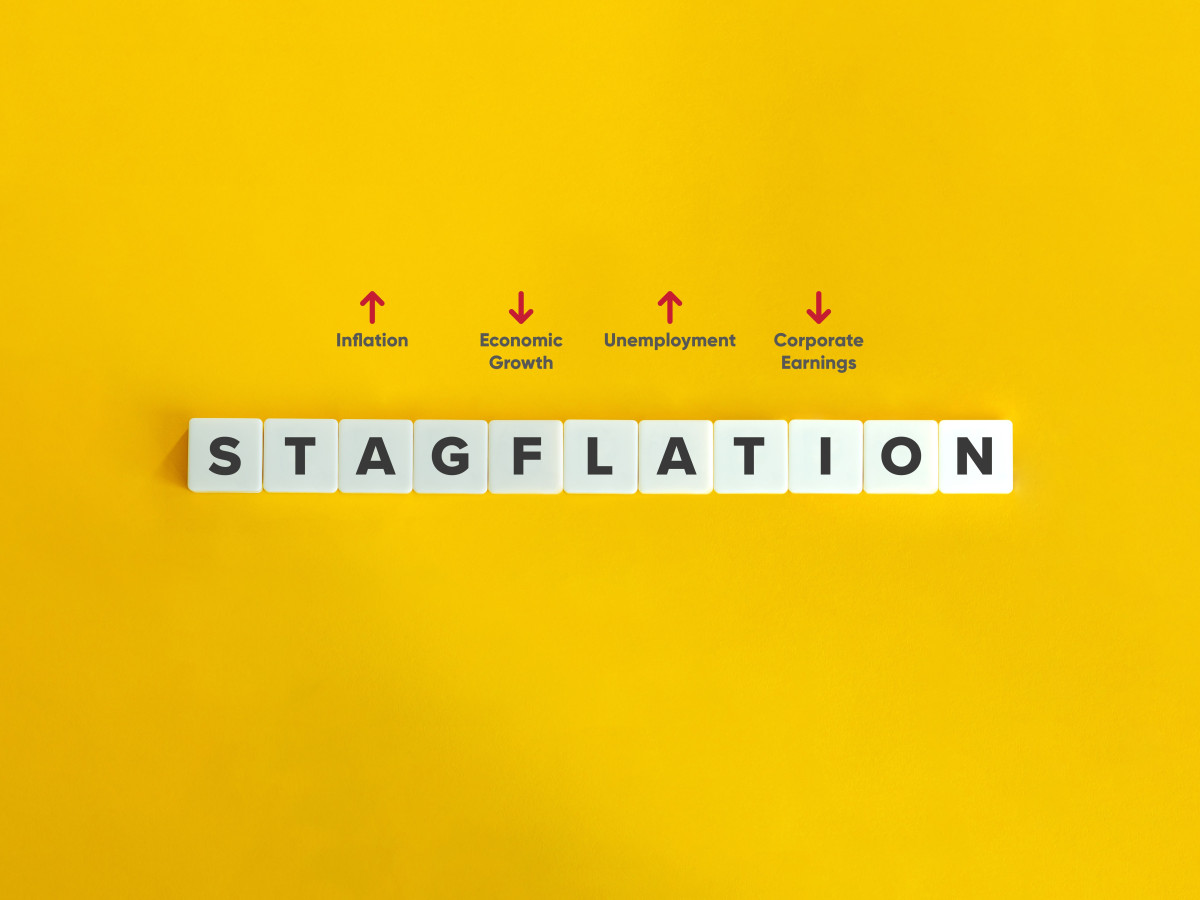
Stagflation is the deadly combination of low growth and high inflation. With the implementation of sweeping and high tariffs by the federal government, most economists and forecasters currently predict something resembling “stagflation” on the Unites States’ economic horizon. …
Preventing a NYCHA Budget Crisis
ALBANY, NY | The Fiscal Policy Institute today released a new report by Emily Eisner, Chief Economist, on the federal funding risks NYCHA faces and how the State budget can address them. FPI strongly encourages the Governor and Legislature to adopt the Assembly’s one-house …
The Urgent Need to Raise Unemployment Benefits
Download the Bill Memo ↓ Download the Bill ↓ ALBANY, NY | The Fiscal Policy Institute today released a new report by Emily Eisner, Chief Economist, on the urgent need to reform New York State’s unemployment insurance system, as well as draft UI financing reform legislation …
Fixing Unemployment Insurance
The Fiscal Policy Institute today released two publications on how to fix New York State’s insolvent unemployment insurance system: a memo recommending tax changes, and a short report detailing the UI system’s chronic underfunding and low benefit level.
How Does the Inflation Rebate Stack Up?
The proposed “inflation rebate” will not offset NY’s cost-of-living squeeze
Fact Sheet: New York State’s Economy
Population growth, widening inequality, and cost-of-living strains
The Economic and Fiscal Impacts of Mass Deportation
What’s at risk in New York
What to Expect in the Budget: Housing Policy
What to watch for as legislators return to Albany and the housing crisis roars on
Governor Hochul’s Affordability Policy Report Card
The governor wants to address affordability – but will cash handouts do it?
New Census Data Show Population Growth as well as Continuing Affordability Challenges
New Census data show that New York’s population grew in 2023 and 2024, regaining one-third of the state’s pandemic-era population losses. Net outmigration in 2024 reached its lowest level since 2013. Remaining outmigration is driven by low and middle-income households that face …
The Staffing Crisis in Upstate Hospitals
90% of Upstate NY hospital shifts understaffed
The Federal Housing Policy Landscape
How federal policy influences state-level affordable housing development
City of Yes and the Housing Affordability Crisis
Housing affordability crisis constitutes greatest threat to New York City’s economic future
Financing Affordable Multi-Family Housing Development

A Primer for State and Local Policymakers
FPI Testimony on “City of Yes”
Thank you to Speaker Adams, Chair Riley, and members of the Subcommittee on Zoning and Franchises for the chance to testify in support of the proposed “City of Yes for Housing Opportunity” text amendment. My name is Emily Eisner, and I am an Economist working with the Fiscal …
Fact Sheet: Climate Change Superfund Act
Climate Change Superfund Act needed to fund New York’s climate adaptation measures
Fact Sheet on Proposed Housing Deal
Proposed deal does not address state’s housing problems; effectively returns state to the 2019 housing market, but with far higher rental costs
This Year’s Housing Debate
A Step in the Right Direction, But Not Far Enough
Fiscal Analysis: 2025 Revenue To Exceed Projections by At Least $4 Billion
Reasonable assumptions about state revenue growth show additional spending power and quell concerns about future budget gaps
Tax Policy Brief: Fiscal Stability and Progressivity in the Personal Income Tax
The Personal Income Tax is the State’s most important revenue source, accounting for around 2/3 of total tax receipts; it is also a fiscally stable source of revenue due to the State’s large population of high-income earners. Taxpayers earning over $1 million per year …
Consensus Economic and Revenue Forecast: Finding Quarters in the Couch Cushions
Annualized revenue adjustments average $1.01 billion over past seven budget cycles
State Economic Update: Economy Recovers While Inequality Rises
New York State is home to one of the largest, most thriving economies in the world; as of 2022, New York’s gross domestic product was over $2 trillion, rivaling the entire economy of Canada and larger than the economies of Australia and South Korea. Despite New York’s aggregate …
State Economic Update: Recession Unlikely, Tax Receipts Stable
Recent revisions to economic forecasts have significantly lowered expectations of a recession. This has positive implications for the State’s fiscal outlook, as improved economic performance should translate into higher tax receipts. At the start of 2023, many institutional …
Fiscal Year 2024 Enacted Budget Financial Plan Analysis

New outyear budget gaps in the fiscal year 2024 Enacted Budget Financial Plan reflect heightened pessimism about the state’s economic trajectory by the State’s Division of Budget (DOB). While all economic projections are highly uncertain, the State is well-equipped to weather …
Workforce Report: Labor Shortage Mitigation in New York’s Home Care Sector
New York State has been reported to be one of the states most at risk of incurring a shortage of healthcare workers over the next decade (Stevenson, 2019). With a quickly growing population of adults over the age of 65 (“older adults”) and a movement towards “aging in place,” …
Tax Policy Brief: Estimating Revenue from a More Progressive Income Tax
New York’s budget is largely funded through the state’s personal income tax (PIT). Between 2015 and 2020, state revenue from the personal income tax totaled between $47 billion and $55 billion annually. In 2021, the New York state legislature voted to create new PIT brackets for …
Tax Policy Brief: Revenue Impact of Higher State Taxes on Capital Gains
Estimating the Revenue Impact of Higher State Taxes on Capital Gains